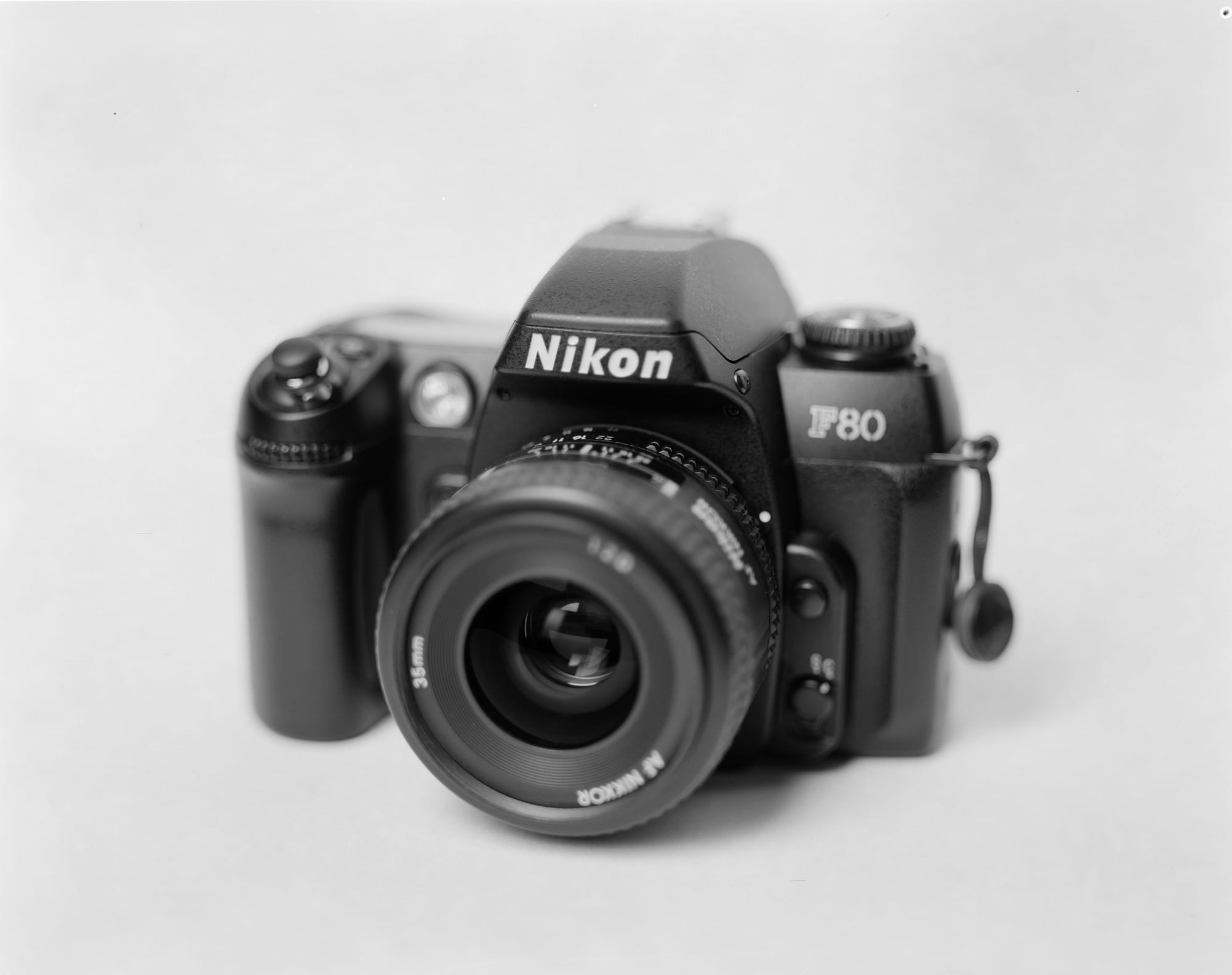
When a film camera is imagined in popular culture, it is presented as an all-mechanical device, with steampunk brass gears and a manual-focus grip. Think Leica M or Nikon F. There is a romance associated with these cameras, and some practical reasons for the nostalgia. Old mechanical cameras often can be repaired whereas their electronic siblings require special components with dwindling or non-existent supplies. The cameras are also beautiful. The Nikon F3 was famously designed by the Italian automotive designer Giorgetto Giugiaro.
The Nikon F80 is not one of these cameras. On the used-camera table, it is the one nobody picks up. The F3 nearby sits under glass, heightening its status as an object of desire. The F80 is in turn viewed with suspicion.
But there are some very practical reasons for taking a camera like the F80 seriously, and for thinking about it as a desirable object. It is the last generation of a bygone era, one which we forget about, a time when all of the latest tech was put into a camera that made its images on film.
What it was built to be
Nikon released the F80 in 2000 and sold it in North America as the N80. It was the advanced-amateur body of the last film generation. It had most of the F100's user experience in a lighter, cheaper, less rugged package. It has five autofocus points, matrix, center-weighted, and true spot metering, the full P/S/A/M set, a 1/4000-second shutter, a built-in flash, and grid lines you could summon in the finder on demand. It weighed about 515 grams. It's production ran until January 2006, when Nikon cut its film line back to almost nothing.
The body of that last generation of Nikons was used to create the model for the digital bodies they would soon produce and which has remained remarkably similar even through the Z series. If you own or have used a Nikon digital camera, the F80 will feel familiar and will have a zero learning curve.
It is perhaps because of this association with the digital bodies that became prevalent after it that the F80 never acquired the mythology of the previous models. But if you look at this same heritage differently, you can perceive the F80 (and the flagship F6) as the last generation of film cameras we are ever likely to see with the kind of advanced features that we have grown accustomed to with digital cameras.
What it is like to use now
The F80 can serve as your main body but would not be my first choice in this role. It is a great choice as your first body but its strength is as a lightweight and reliable backup or second camera. I like to bring it along when my main camera is medium format and I want something to supplement or cover gaps in my main rig. With one of the Nikkor D lenses (I like the 35mm in particular) it weighs so little that it doesn’t add much weight or take up much room in your bag. But it gives you plenty of options.
In the hand, the F80 is small but comfortable, but this may not be the case for large hands. It has the familiar two command dials, a mode dial, and an autofocus system that you point and trust. It is not as speedy as a modern digital camera but it is quicker than manual focus and very reliable. If you have used any Nikon digital body from the last twenty-five years, you already know where everything is. If you also use a Nikon digital camera, that familiarity is not exotic but it may help get the shot.
The finder shows about 92 percent of the frame through a real pentaprism, with diopter adjustment built in. The on-demand grid lines are genuinely useful for horizons and architecture. The selected focus point lights up (Nikon called the system Vari-Brite and claimed it as a first), though period reviewers found the illumination too dim to help much in ordinary light, a complaint worth re-testing on a clean example.
Because of Nikon's dedication to the F mount, the autofocus system can accommodate a wide variety of lenses, from the D screw drives (a bit plodding and loud) to AF-S lenses (snappy and quiet). It was praised as quick when it was released, but the motor is audible and its grinding sound can be obnoxious depending on your sensitivity to such things.
The metering is rock solid like most modern Nikons are. Matrix for walking around, spot when the light gets difficult, exposure compensation in half stops under your thumb. The F80 was built to make correct exposure boring, and it does.
Film handling is automatic. You pull out the leader and close the back. If the film doesn't catch, you won't shoot all day not knowing that it didn't. It shoots 2.5 frames per second if you need that, and it will rewind on its own with a quiet mode. It runs on two CR123A cells, which are still easy to find and provide good battery life.
Strengths
The case for the F80 is that it is practical, light and easy to carry, and can use a wide array of Nikon glass. It mounts and meters the enormous range of CPU Nikkors — AF-D, AF-S, most VR glass — which means a photographer already shooting Nikon digital SLRs can put their existing lenses on it and be making negatives the same afternoon. It has three AF Area modes: Dynamic AF, Closest-subject-priority Dynamic AF and Single Area AF. For flash aficionados it has 3D fill flash with a five-segment TTL Multi Sensor. That is a lot of tech crammed into a small body and copies are currently cheap: average examples trade around $30–60, with dealer-checked bodies near $80–120. When new, they sold for $400 (about $700 when adjusted for inflation).
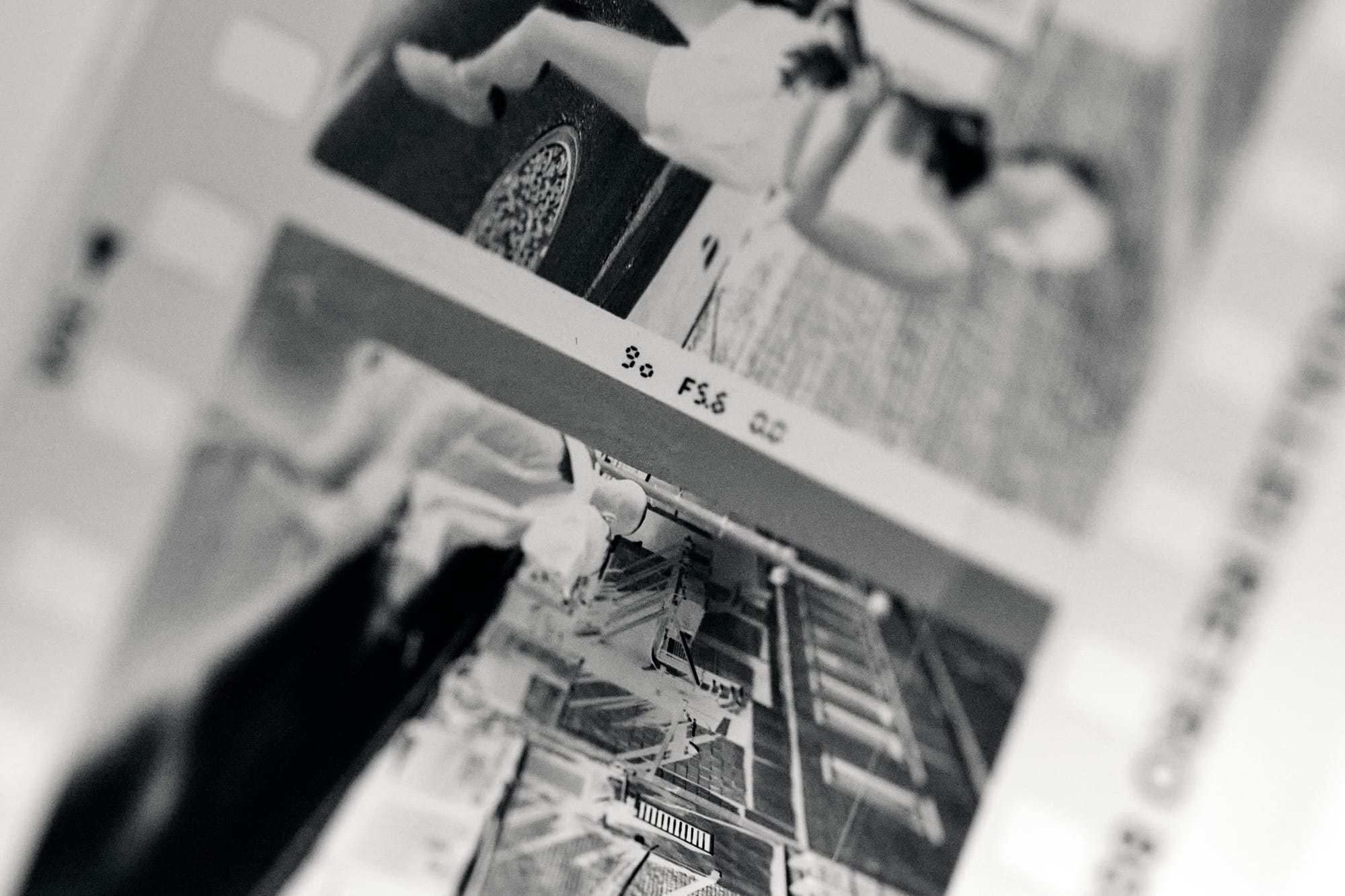
I purchased the F80 with the data back from a Japanese seller. It was very clean and under $120. The data back will print the date in the corner of the frame, which I think is an underrated vintage feature but it can also print the f-stop and shutter speed in the space between the frames. Need to know which f-stop you used on a particular shot? Just pull out your loupe.
Things to look out for
One word of caution: the F80 meter does not work with manual-focus AI and AI-S lenses. Mount one and you are guessing exposure in manual mode. This is a camera that prefers autofocus. There is a manual-focus mode and it provides the familiar green rangefinder light to indicate focus, but there is not a split prism.
It cannot shoot infrared film at all; the frame-counting system reads the film with an infrared beam and fogs it. Flash sync stops at 1/125. The build is honest consumer-grade. It won't fall apart from careful use, but it also will not take a beating, and has none of the F100's weather sealing. The years have found its weak points. The film-door latch is prone to give, it has rubber that turns sticky, and the occasional bleeding LCD. These are all problems that plague similar cameras from this era, so be careful in sourcing a good copy.
Who it is for
The F80 is a utilitarian camera meant to serve a purpose best suited to the photographer who wants the film and not the fetish. The Nikon digital shooter with a bag of AF glass and a curiosity about negatives. The student who needs spot metering and manual control without collector pricing. The documentary or travel shooter who wants a second body light enough to forget. It makes less sense for the manual-lens romantic, the all-weather worker, or anyone who needs the camera itself to be part of the pleasure. But for many, this camera might be a hidden gem.
Conclusion
The F80 is a great value because nobody dreams about it, and nobody dreams about it because it was designed to just work, to load film, find focus, get the exposure, and stay out of the way. That was its job in 2000 and it's still its job today. If what you want from a film camera is photographs, the camera nobody gets might give you a lot and for a lot less.
Gallery
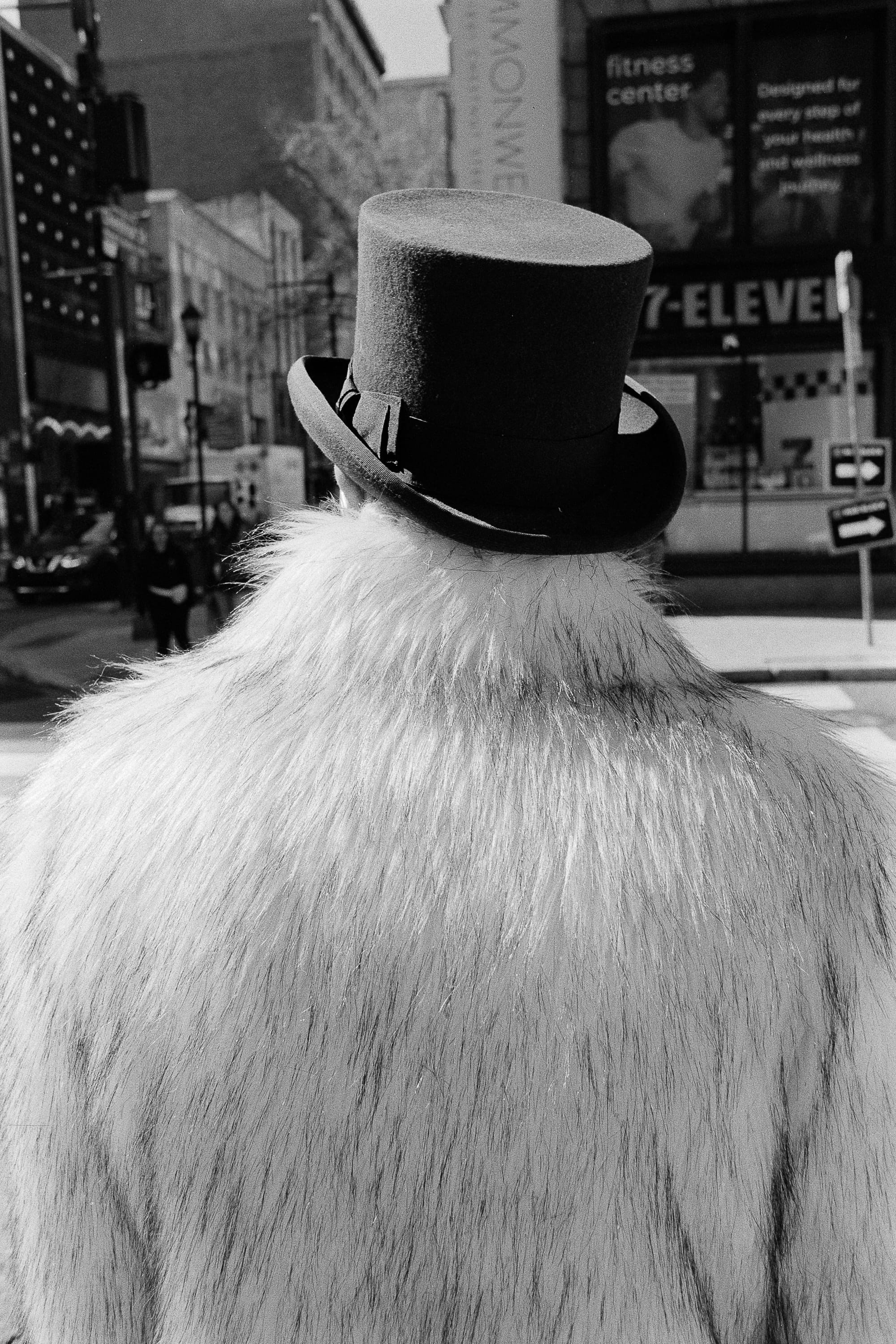
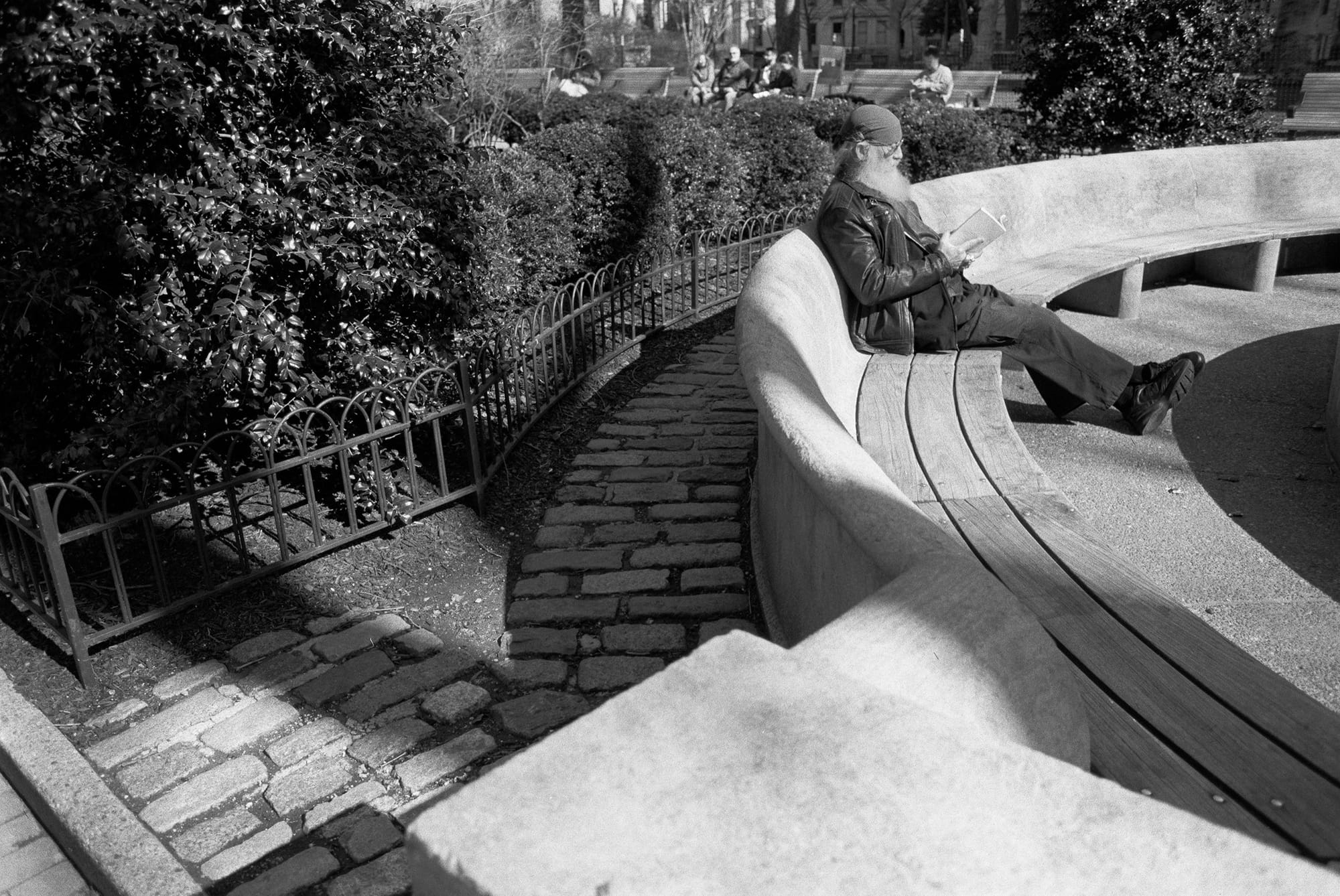
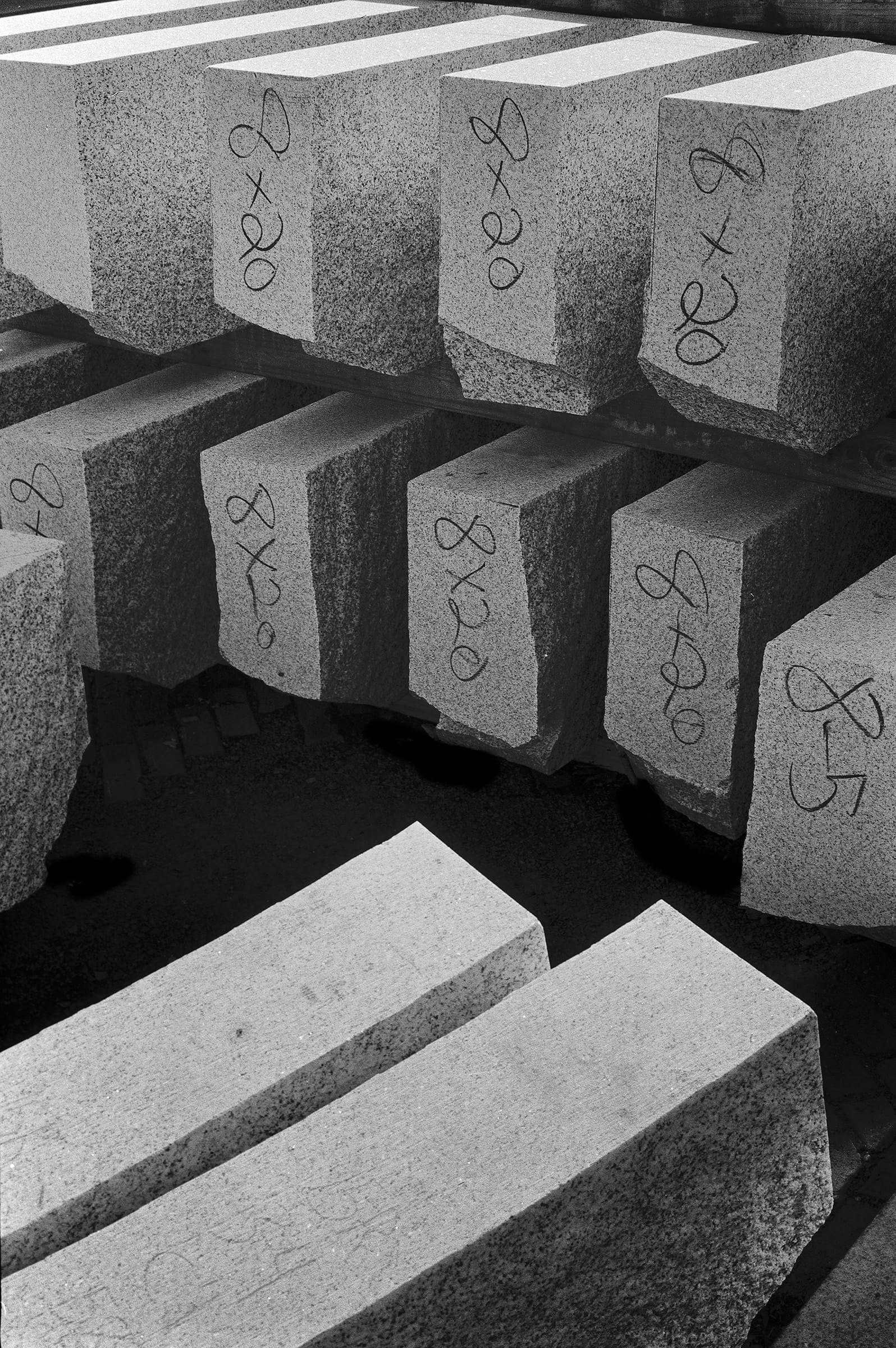
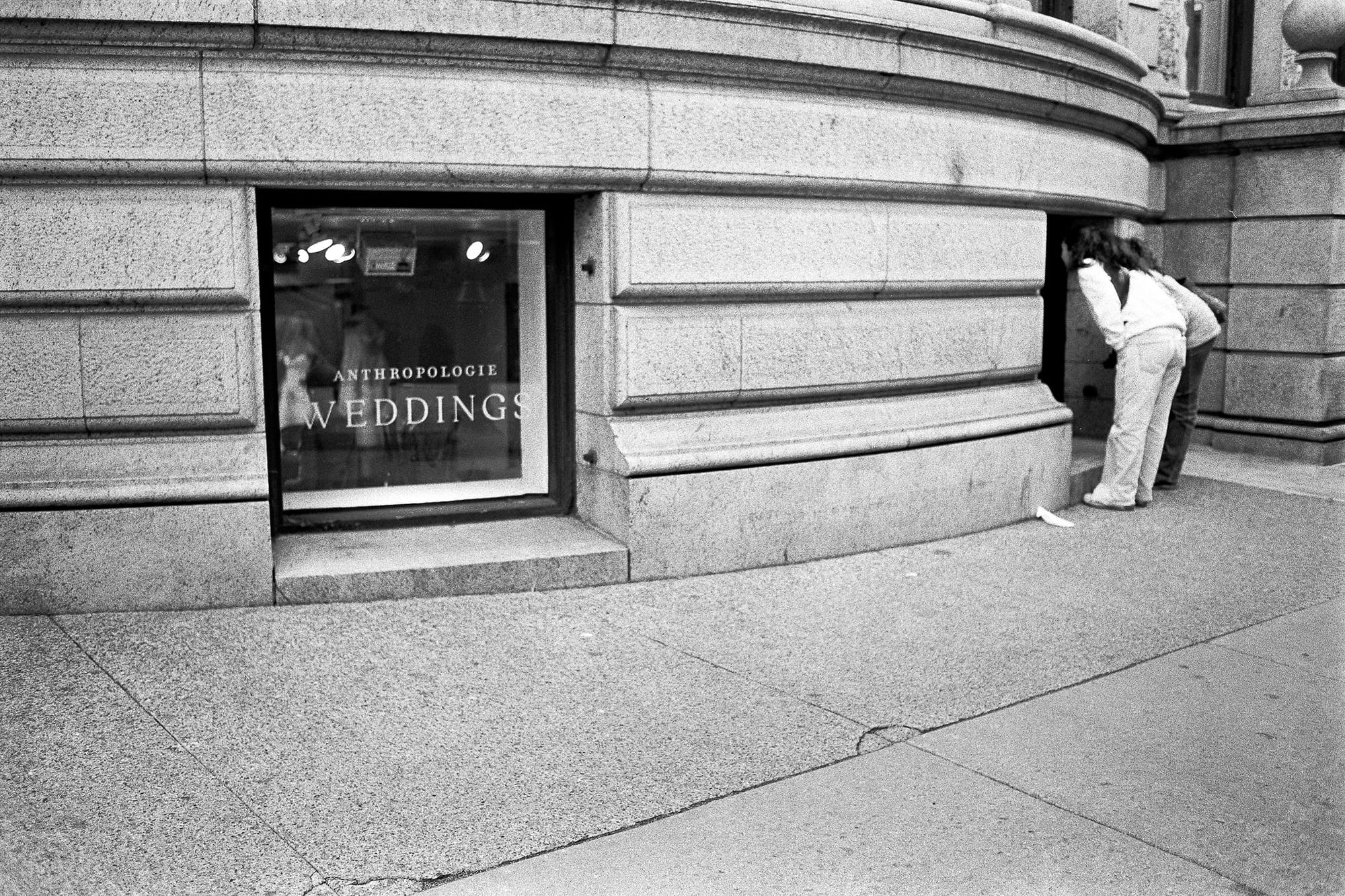
The following photographs were taken with a Nikon F80, Fomapan 200, and an autofocus Nikon D lens in one of these focal lengths: 28mm, 35mm, or 50mm.