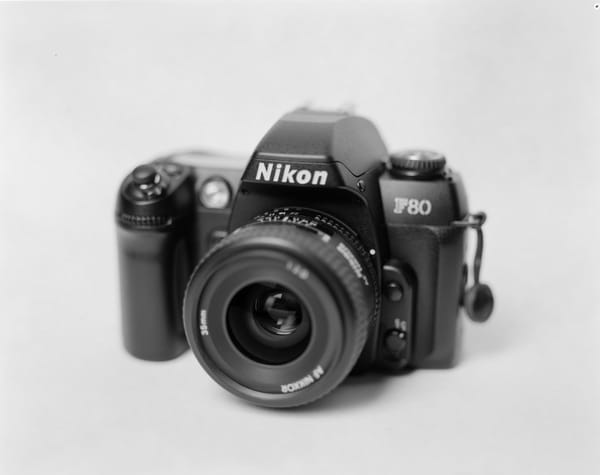
We spend time with Nikon's last great enthusiast film body, which is too modern to be loved, but too capable to be ignored, and ask who it actually makes sense for now.
A first look at the work, tools, habits, and questions shaping film photography now.
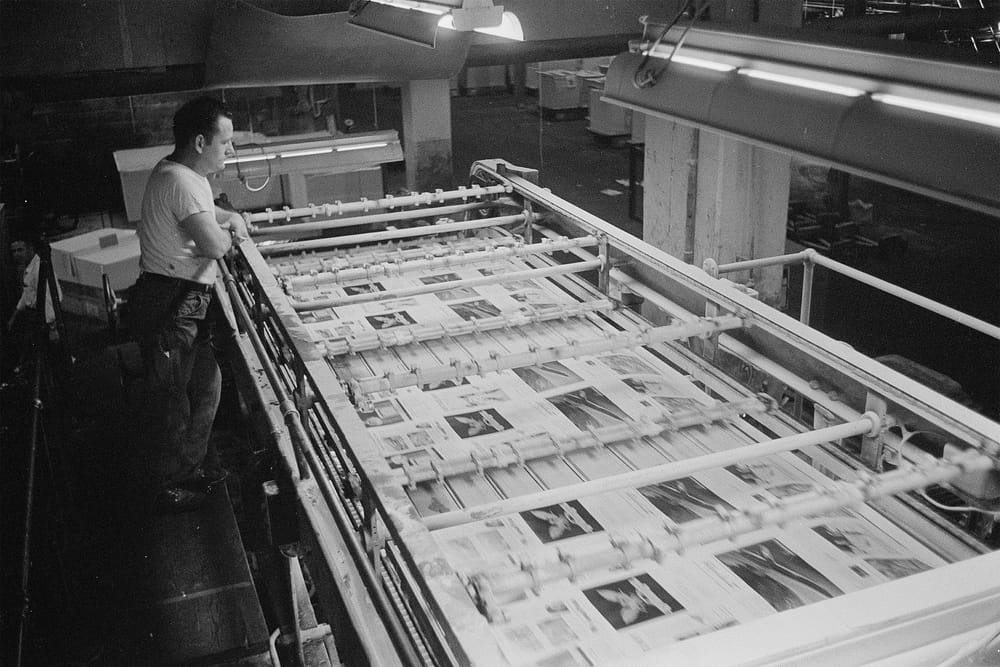
A new magazine about the practice, culture, tools, and continuing life of film photography.
We spend time with Nikon's last great enthusiast film body, which is too modern to be loved, but too capable to be ignored, and ask who it actually makes sense for now.

A tank, a few chemicals, controlled time and temperature: everything you need to process your first roll at home, understand the basic workflow, and choose a developer that fits the way you work.
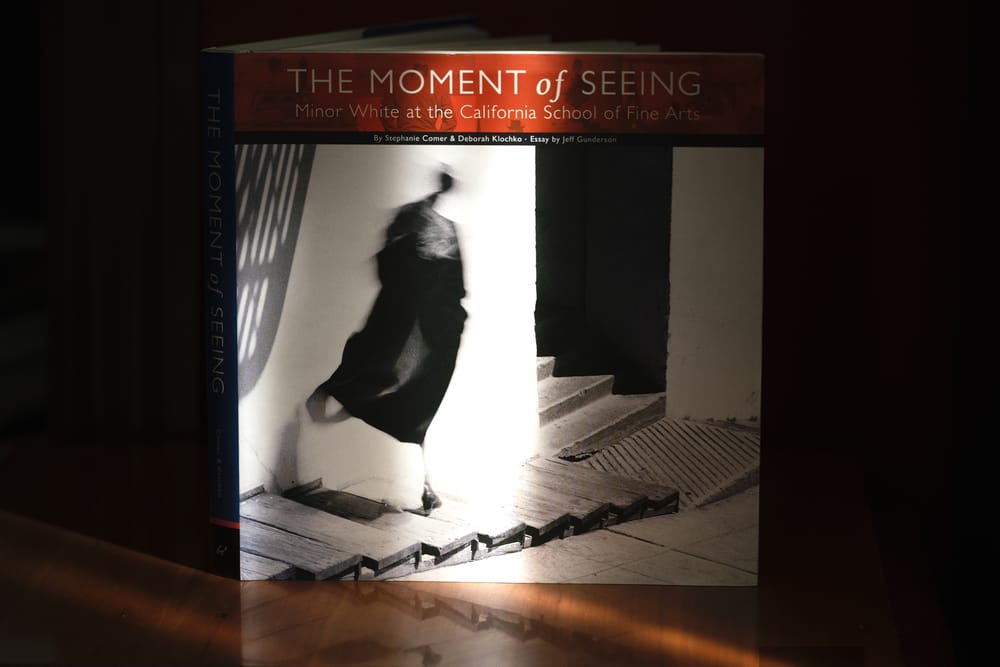
In 1950, at the California School of Fine Arts, Minor White proposed an innovative photography curriculum that was never fully realized. Seventy-six years later, Grainpress revisits the outline to ask what it can still teach photographers today.
A new dedicated 35mm scanner, in a category that has been shrinking for years. Plustek has not published what it costs.
The sheet sizes nobody stocks are moving to resellers this month. They were ordered in the first week of June, and the next chance is a year off.
The 35mm black-and-white film has reached Lucky's own shop, while reports of a 400-speed companion remain short of primary confirmation.
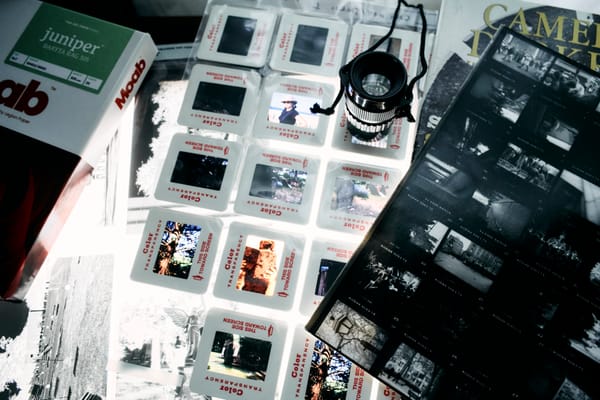
Flatbed, dedicated scanner, camera scan, or lab, the best way to digitize film depends on what you shoot, how much control you want, and where you’re willing to spend your time and money.

Film feels more expensive than ever—but is it? We compare Tri-X prices in 1977, 2005 and 2026, plus the per-frame cost of film versus digital. Whether cost makes the photographer more thoughtful or constrained in an open question, and one we explore here.

We map what a serious beginner needs to know before a first 4×5 — the working system, the sequence of one exposure, and the honest costs — so the decision to start is an informed one.
Social media gives photographers reach, community, clients, and an audience that once required a gallery. We ask what the platforms take in return, and how to keep the feed from becoming the judge of the work.
Grainpress is built to be read publicly, returned to regularly, and supported by readers who want serious work in film photography to exist and improve.