Film
Stories from Grainpress on this topic.
Classicolor Comes to 120 at the Price of a 35mm Roll
Lomography's ISO 200 color negative is now in all three of its formats, and the medium format roll costs no more than the 35mm one.

More
New emulsions, revived formulas, contract coating and specialist finishing are bringing film to market in different ways—and keeping cameras loaded.
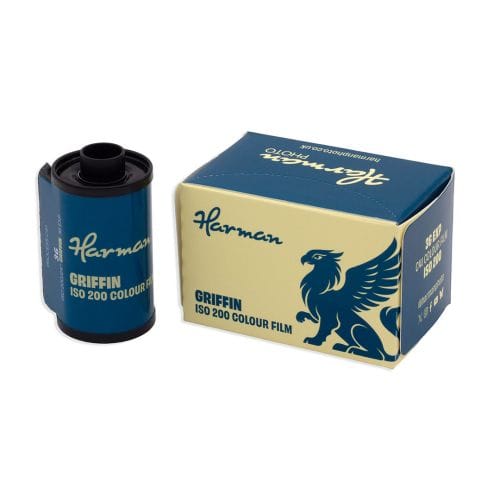
Harman changed what the film is coated on rather than what it is coated with, and is selling a small quantity to find out whether photographers will pay for the difference.
Harman's slowest black-and-white film is cut into sheets for the first time. The fine grain that makes it worth having is paid for in exposure time.
The sheet sizes nobody stocks are moving to resellers this month. They were ordered in the first week of June, and the next chance is a year off.
The 35mm black-and-white film has reached Lucky's own shop, while reports of a 400-speed companion remain short of primary confirmation.
Harman has brought back the original Phoenix emulsion with a lower box speed and a new DX code. We think the price cut announced alongside it is the larger story.
Lucky Film's second modern colour emulsion turned up in a distributor's storefront this week with no announcement attached. It is already out of stock, and the medium-format question nobody has answered is the one worth watching.
The figure that spread through film photography this week belongs to a reporting segment, not to a film stock. The number that will reach the shelf is in the same filing, and it is silver.
A tank, a few chemicals, controlled time and temperature: everything you need to process your first roll at home, understand the basic workflow, and choose a developer that fits the way you work.
Film feels more expensive than ever—but is it? We compare Tri-X prices in 1977, 2005 and 2026, plus the per-frame cost of film versus digital. Whether cost makes the photographer more thoughtful or constrained in an open question, and one we explore here.